
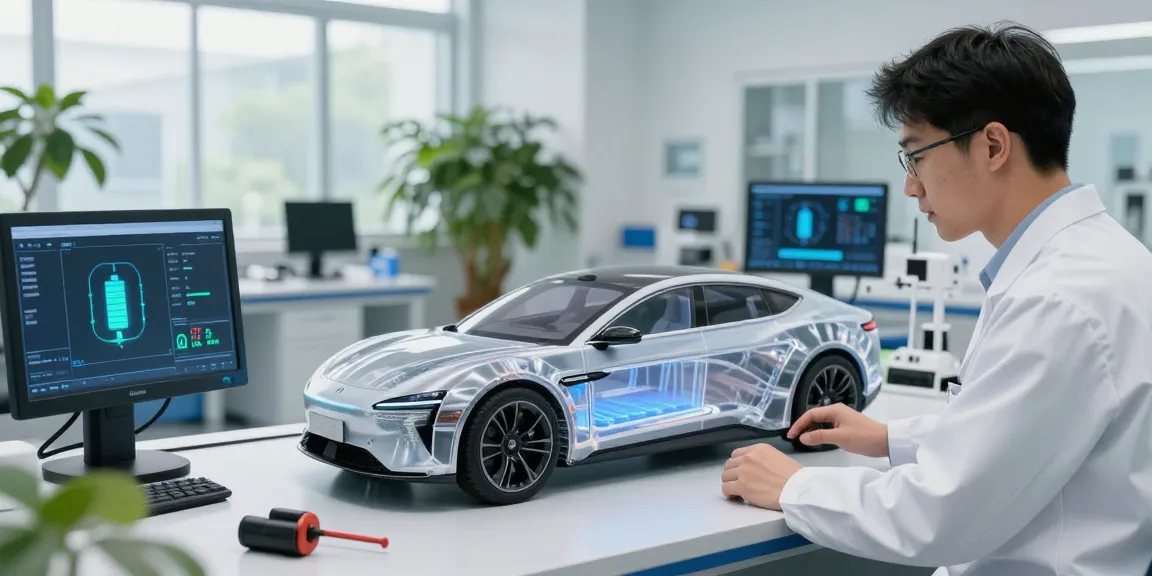
Understanding the Fundamentals of EV Technology
Electric Vehicle (EV) technology has rapidly transformed the automotive landscape, driving innovation while addressing environmental concerns. As society shifts towards sustainability, understanding the intricacies of EV technology becomes imperative for consumers and manufacturers alike. This technology encompasses electric motors, advanced battery systems, and sophisticated charging infrastructures, making it essential for future mobility. The integration of EV technology into our lives not only promises reduced carbon footprints but also enhances the driving experience through smart innovations.
What is EV Technology?
At its core, EV technology refers to the systems and mechanisms that power electric vehicles. Unlike traditional vehicles that rely on internal combustion engines, EVs utilize electric motors powered by rechargeable batteries. This transition from fossil fuels to electricity represents a significant shift not only in how vehicles operate but also in how we perceive mobility. Electric vehicles can be divided into several categories, including Battery Electric Vehicles (BEVs), Plug-in Hybrid Electric Vehicles (PHEVs), and Fuel Cell Electric Vehicles (FCEVs).
Types of Electric Vehicles Explained
Understanding the different types of electric vehicles is essential for consumers making informed purchasing decisions. Here’s a brief overview:
- Battery Electric Vehicles (BEVs): These vehicles run entirely on electric power, using a large battery to store energy. They produce zero tailpipe emissions, making them the cleanest option available.
- Plug-in Hybrid Electric Vehicles (PHEVs): PHEVs combine an internal combustion engine with an electric motor. They can operate on electric power alone for short distances while reverting to gasoline for longer trips.
- Fuel Cell Electric Vehicles (FCEVs): These vehicles generate electricity through a chemical reaction between hydrogen and oxygen, offering the advantage of quick refueling and longer ranges than typical BEVs.
Key Components Driving EV Innovation
The evolution of EV technology is attributed to several key components that drive innovation:
- Advanced Battery Technology: The development of high-capacity lithium-ion batteries has significantly improved range and reduced charging times.
- Electric Powertrains: Electric motors provide greater efficiency and instant torque compared to traditional engines, enhancing performance and driving dynamics.
- Smart Charging Solutions: Innovations in charging infrastructure, including fast chargers and wireless charging, are critical to supporting the widespread adoption of EVs.
Current Trends in EV Technology for 2026
As we look towards 2026, several trends are poised to shape the future of EV technology significantly. These trends are driven by consumer demand, technological advancements, and regulatory frameworks aimed at promoting cleaner transportation options.
Battery Technology Advancements
Battery technology continues to evolve, with the focus on enhancing energy density and reducing costs. Solid-state batteries, for instance, are considered the next frontier in EV battery technology, potentially offering increased safety and efficiency. Other advancements include:
- Development of lithium-sulfur batteries promising higher capacities.
- Recycling initiatives for lithium-ion batteries aimed at reducing waste and environmental impact.
- Integration of battery management systems to optimize performance and longevity.
Charging Infrastructure Evolution
The expansion of charging infrastructure is crucial for the broader adoption of EVs. Efforts are underway to enhance the availability of charging stations through:
- Deployment of fast chargers in urban and rural areas to reduce charging times.
- Implementing smart grid technologies that enable efficient energy distribution.
- Partnerships between government and private sectors to expand charging networks.
Software and Connectivity in Modern EVs
Modern electric vehicles are increasingly equipped with advanced software that enhances their functionality. Some trends in this area include:
- Over-the-air updates that keep vehicle software current without requiring dealership visits.
- Integration of AI-driven applications to improve navigation and vehicle performance.
- Enhanced connectivity for remote monitoring and control of charging and vehicle settings via smartphone apps.
Challenges Facing EV Technology Adoption
Despite the numerous benefits of EV technology, several challenges continue to hinder its widespread adoption. Addressing these challenges is crucial for manufacturers, policymakers, and consumers alike.
High Costs and Affordability Issues
One of the primary barriers to EV adoption is the upfront cost associated with electric vehicles. Although prices have dropped, many consumers still find EVs to be more expensive than their gasoline counterparts. Governments are implementing incentives to reduce these costs, but further efforts are essential to ensure affordability.
Range Anxiety and Charging Accessibility
Range anxiety remains a significant concern for potential EV owners, stemming from the fear of running out of battery power without access to charging stations. To combat this issue:
- Expanding charging networks and increasing the density of charging stations in urban areas.
- Developing longer-range vehicles to alleviate concerns about battery life.
- Implementing user-friendly apps to assist drivers in locating nearby charging stations.
Environmental Impact and Sustainability Concerns
While electric vehicles contribute to lower emissions, concerns regarding the environmental impact of battery production and disposal persist. Addressing these concerns involves:
- Promoting sustainable practices in battery manufacturing.
- Investing in research for eco-friendly battery materials.
- Creating efficient recycling programs for end-of-life batteries.
Real-World Applications of EV Technology
Beyond individual consumer use, EV technology is making significant strides in various applications, illustrating its versatility and effectiveness.
Case Studies in Electric Fleet Solutions
Many companies are transitioning to electric fleets, resulting in reduced operational costs and improved environmental outcomes. Notable examples include:
- Delivery services adopting electric vans to minimize their carbon footprint.
- Public transportation systems incorporating electric buses for cleaner urban mobility.
- Corporate fleets converting to electric vehicles to enhance sustainability efforts.
Impact of EVs on Urban Mobility
The integration of electric vehicles into urban environments is reshaping city mobility. Initiatives to measure this impact include:
- Collaborative city planning aimed at incorporating EVs into public transport networks.
- Analysis of traffic flow changes resulting from increased EV adoption.
- Implementation of policies encouraging the use of shared electric vehicles to reduce congestion.
Future Manufacturing Practices in EV Production
As demand for EVs grows, manufacturers are reevaluating production practices to improve efficiency and sustainability. Emerging trends include:
- Adoption of automation and AI in manufacturing processes to streamline production.
- Implementation of lean manufacturing principles to minimize waste.
- Collaborations with suppliers focused on sustainable materials.
Future Prospects and Innovations in EV Technology
Looking ahead, the future of EV technology is promising, with numerous innovations expected to enhance performance and broaden adoption rates.
Emerging Trends to Watch Beyond 2026
Several trends are anticipated to reshape the EV landscape in the coming years:
- Increased collaboration between automotive companies and tech firms for smart vehicle innovations.
- Advancements in vehicle-to-grid technologies that allow EVs to contribute to energy storage solutions.
- Expansion of electric vehicle charging options, including home and workplace installations.
Government Policies and Incentives for EV Adoption
Government strategies globally will play a crucial role in promoting EV adoption. Measures may include:
- Tax incentives for consumers purchasing EVs.
- Funding for EV infrastructure projects to enhance charging networks.
- Regulations aimed at reducing fossil fuel reliance in favor of cleaner technologies.
Industry Expert Predictions
Industry experts predict that by 2030, electric vehicles could comprise a significant percentage of global auto sales. Key insights include:
- Shift towards autonomous electric vehicles as technology matures.
- Growing importance of battery recycling technologies to support sustainability.
- Evolution of smart cities equipped with EV-friendly infrastructure.
What are the four types of EV?
The four primary types of electric vehicles include Battery Electric Vehicles (BEVs), Plug-in Hybrid Electric Vehicles (PHEVs), Hybrid Electric Vehicles (HEVs), and Fuel Cell Electric Vehicles (FCEVs). Each type serves different consumer needs and operational efficiencies.
What is the latest technology in EV?
The latest advancements in EV technology consist of solid-state batteries, which promise greater energy density and safety, as well as improvements in fast-charging systems that significantly reduce downtime for electric vehicle owners.
What are the main challenges facing EV technology?
Challenges in EV technology include high costs and affordability, range anxiety, charging accessibility, and environmental concerns associated with battery production and disposal.
How does EV technology impact the environment?
EV technology reduces the carbon footprint by lowering greenhouse gas emissions during operation. However, it also raises concerns regarding the environmental impact of battery production and requires sustainable practices in manufacturing and recycling.
What innovations should we expect in EV technology?
Future innovations in EV technology will likely focus on advancements in battery technology, enhanced charging capabilities, greater vehicle connectivity, and the development of more sustainable manufacturing practices.